Hazards Measured by SoterCoach
SoterCoach identifies and helps reduce hazardous movements that increase the risk of musculoskeletal injuries. The system uses wearable devices to monitor specific movement patterns and provide real-time feedback—when enabled—on risks that matter most to workplace safety.
Note: Real-time notifications (vibration and beeps) can be enabled or disabled based on your training program settings. All hazards are also analyzed in the data for deeper reporting, even if notifications are turned off.
Device Modes: Back and Shoulder
The SoterCoach device can be set up in two distinct modes depending on the target area:
Back (Spine) Mode
The device is clipped to the center of the upper back, along the spine. This mode monitors posture, bending, twisting, and repetitive stress related to the lower back.
Shoulder Mode
The device is worn on the upper arm between the shoulder and elbow. This mode monitors shoulder movements, arm elevation, overexertion, and push/pull activity.
These two modes allow flexibility depending on job role, injury history, or training focus.
Spine Hazards (Back)
The SoterCoach spine program detects:
Poor Bending
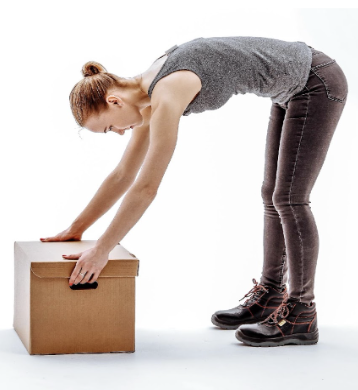
Forward bending greater than 90°.
Awkward Static Posture
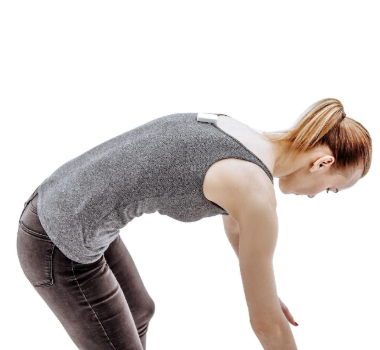
Bending over 60° held for more than 20 seconds.
Back Twisting
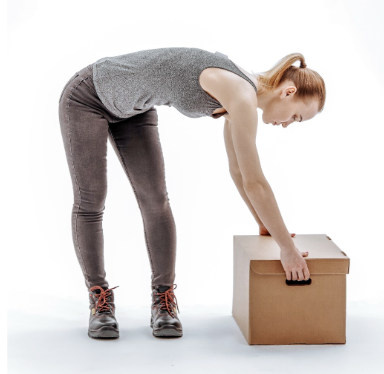
Twisting over 30° combined with bending over 50°.
Intense Bending
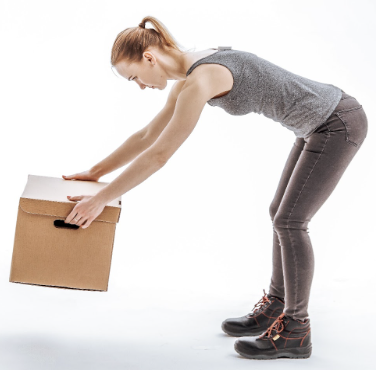
Fast or jerky movements exceeding safe thresholds.
Repetition

Two or more hazardous movements within one minute.
Shoulder Hazards
The SoterCoach shoulder program detects:
Arm Elevation
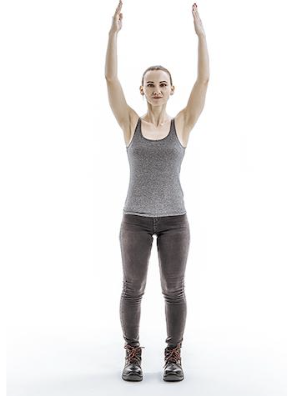
Arm raised above 90° in any direction.
Static Arm Elevation
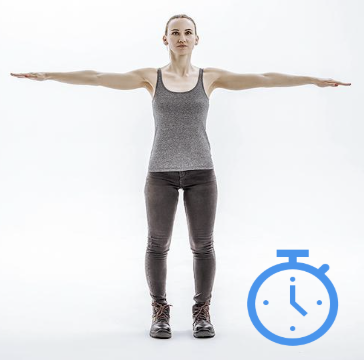
Arm held above 90° for more than 30 seconds.
Repetitive Arm Movements
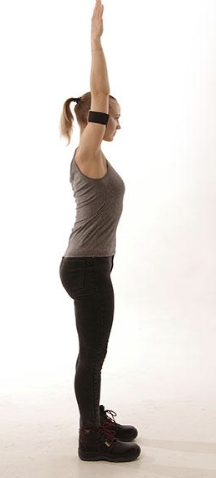
More than two arm elevations above 90° per minute.
Pushing & Pulling with Poor Technique
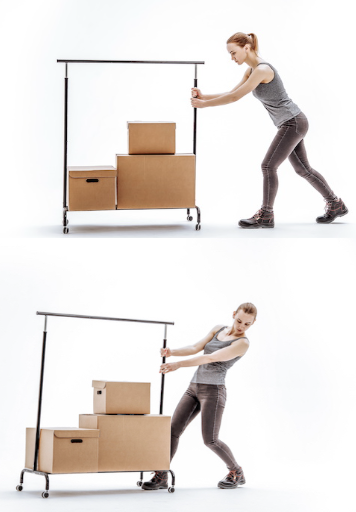
Involves elevated arm, jerky movements, or open shoulder posture.
Overexertion
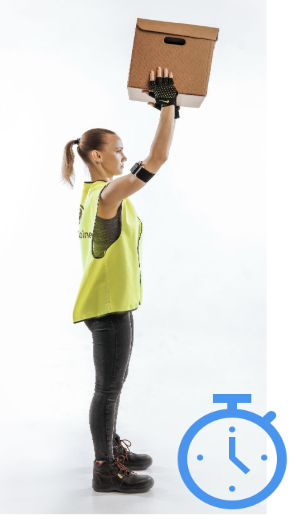
More than 20% of working time spent with arm elevated above 90°.
Hazards Not Measured by SoterCoach
While SoterCoach captures a wide range of high-risk movements, some specific hazards are intentionally excluded due to technical or practical limitations:
Spine device does not measure
- Rotation when standing upright
- Lateral bending
- Spine extension
Rationale: these angles are typically small and pose lower risk.
Shoulder device does not measure
- Elbow movements (Note: Arm abduction is already included in arm elevation)
- Shoulder/arm rotation movements
Rationale: small angles and high natural freedom of movement in the shoulder.
More in SoterCoach General Information
Was this article helpful?